Battery Technology Revolution: A New Industrial Ecosystem Under Supply Chain Restructuring
Breakthroughs in battery technology have not only transformed energy storage methods but also driven the in-depth restructuring of two major industries: new energy vehicles (NEVs) and electronic manufacturing. China's NEV sales exceeded 4.3 million units in the first four months of 2025, a year-on-year increase of 46.2%, with the underlying support being the iteration of battery technology. The industrial leap from liquid lithium-ion batteries to semi-solid-state batteries has raised energy density from 150Wh/kg to over 320Wh/kg, directly addressing the range anxiety of electric vehicles. Huawei's full liquid-cooled megawatt-level super charging achieves "20kWh supplement per minute," and BYD's "megawatt flash charging" reaches a charging speed of "2 kilometers per second." These technologies have reduced refueling time to a level comparable to traditional gasoline refueling, completely changing users' expectations for electric vehicles.
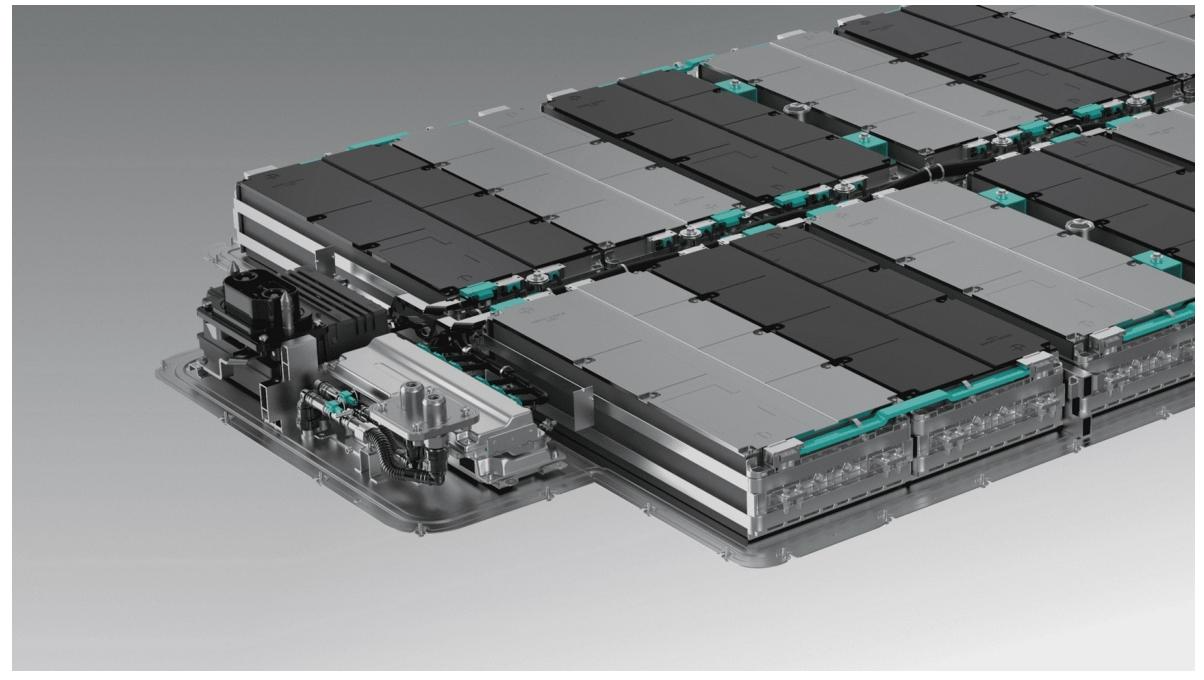
I. Battery Technology Drives Vertical Integration of the Supply Chain
Breakthroughs in battery technology have forced coordinated evolution across all links of the supply chain:
Material System Innovation
The accelerated industrialization of solid-state batteries has promoted the replacement of electrolyte materials. In early 2025, Yunnan ENjie and Weilan New Energy signed an order for over 300 million square meters of electrolyte separators for semi-solid-state batteries, and BYD obtained a patent for reducing the interface impedance of solid-state batteries. The proportion of silicon in anode materials has increased; Haopeng Technology has developed high-silicon-content batteries, driving the breakthrough in energy density.
Manufacturing Process Upgrade
Due to their structural strength advantages, steel-cased lithium-ion batteries account for 58% of the power battery market. Their manufacturing relies on the improved precision of winding machines and the popularization of intelligent testing equipment, significantly enhancing mass production consistency.
Establishment of Resource Circulation System
The market size of power battery recycling is expected to exceed 100 billion yuan by 2030. A research team from Fudan University has developed lithium-ion precise repair technology, which can extend the lifespan of lithium iron phosphate batteries from 2,000 cycles to 12,000 cycles. The Ministry of Industry and Information Technology has raised the lithium smelting recovery rate target from 85% to 90%, promoting the recovery rate of cobalt, nickel, and manganese to 99.6%.
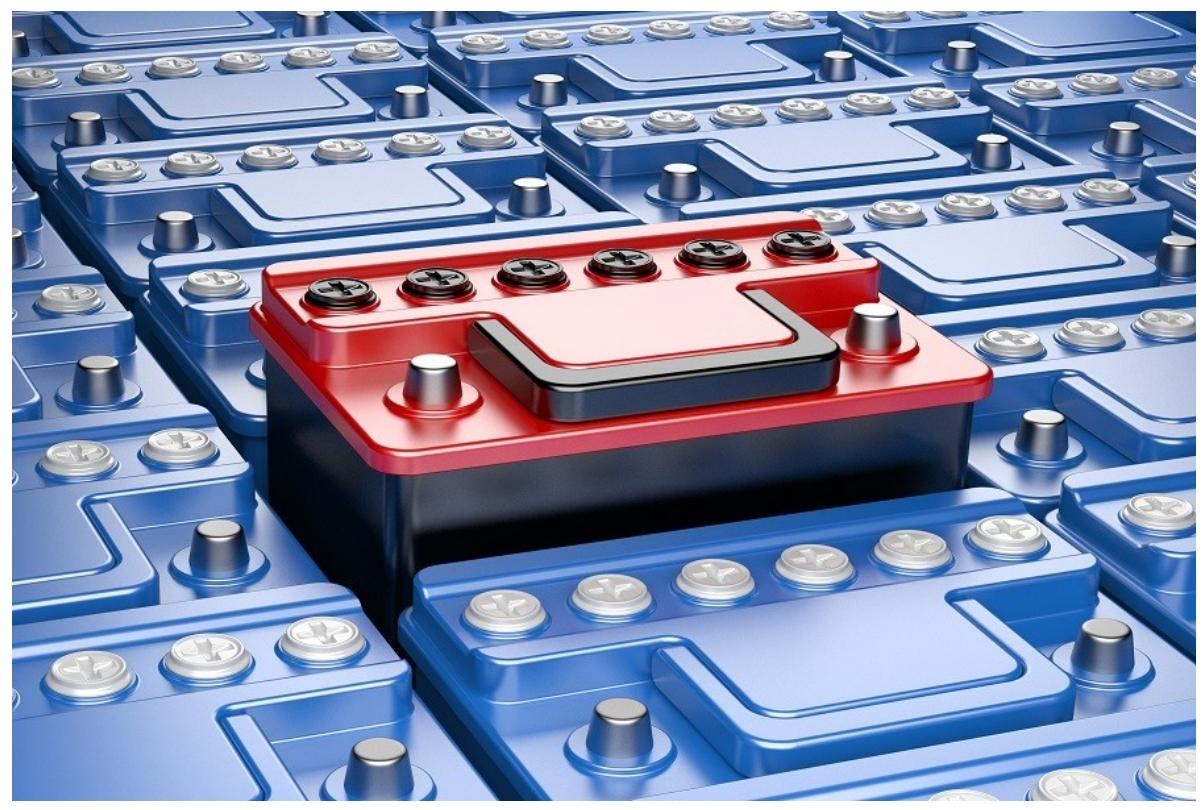
II. Restructuring of the New Energy Vehicle Industry Chain
Battery technology has penetrated into vehicle design and supply chain management:
Balance Between Range and Cost
The mass production of CATL's condensed matter batteries and the commissioning of Gotion High-Tech's all-solid-state battery pilot line have reduced the volume of battery packs by 40%, bringing changes to the overall vehicle space layout. Plug-in hybrid electric vehicles (PHEVs) have seen a surge in acceptance due to battery optimization, with their user share reaching 41.5% in 2025, and the experience gap with pure electric vehicles narrowing to within 2 points (out of 1,000 points).
Synergistic Evolution of Intelligence
High-energy-density batteries support the power consumption needs of advanced intelligent driving systems. Huawei's Kunpeng ADS4 intelligent driving system has reduced end-to-end latency by 50% and heavy braking rate by 30% through algorithm optimization. The deep integration of batteries and electronic control has become the core of new vehicle R&D.
Accelerated International Layout
Chinese power battery enterprises are expanding overseas through technology licensing models. Due to insufficient local production capacity, Europe's market supply-demand gap reached 18GWh in 2025. Chinese steel-cased battery manufacturers have established alternative production capacity in Southeast Asia to avoid restrictions under the U.S. Inflation Reduction Act.
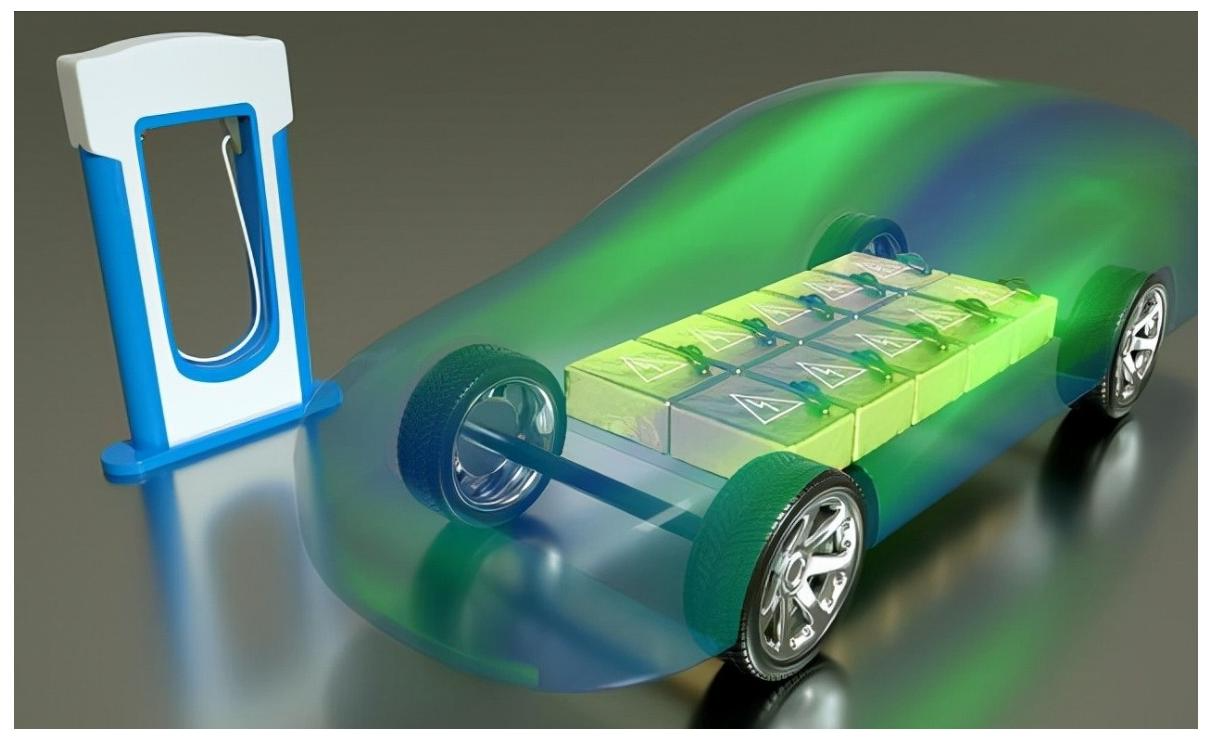
III. Disruptive Changes in Electronic Manufacturing
Battery progress has granted new freedom to the R&D and design of electronic products:
Thinner, Lighter, and Form Innovation
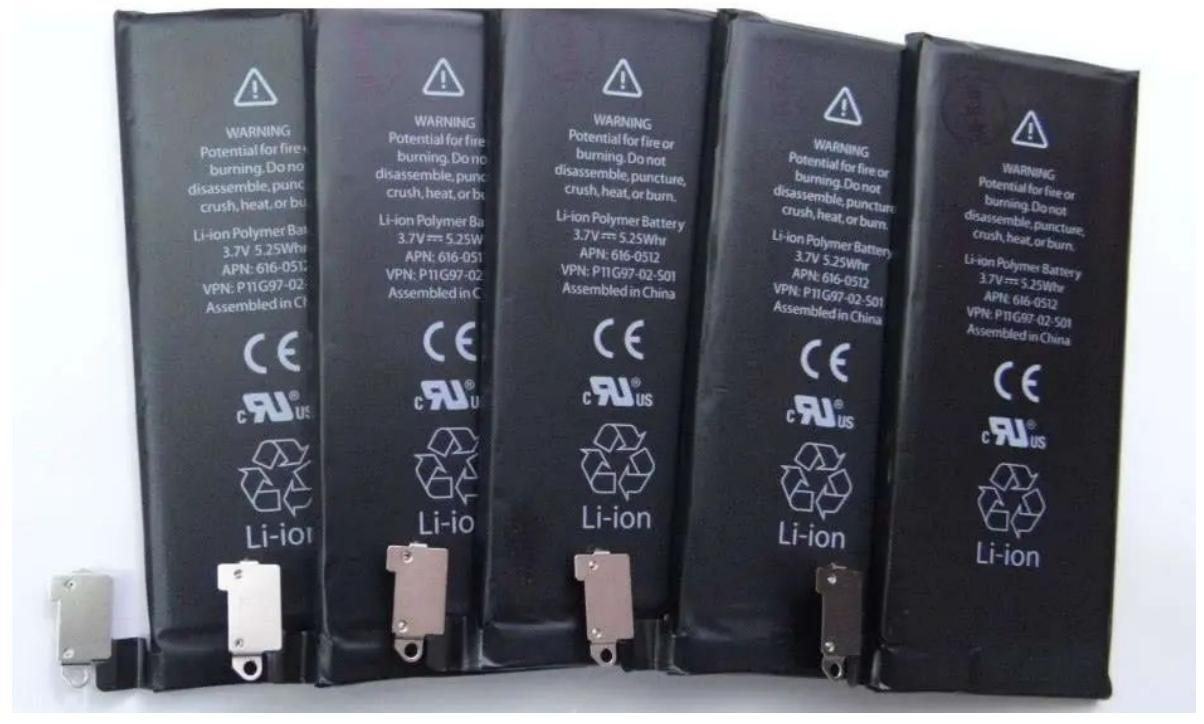
Solid-state batteries eliminate the risk of liquid electrolyte leakage, enabling flexible circuit design for wearable devices. In 2025, steel-cased lithium-ion batteries accounted for 32% of the consumer electronics market, and their high energy density supports AR glasses and other devices to achieve a battery life of over 10 hours.
Popularization of Fast Charging Technology
The mobile phone industry has introduced technologies derived from NEVs. For example, the 100W fast charging solutions equipped by OPPO and Xiaomi, which can charge to 80% in 10 minutes, have become standard on flagship phones, greatly reducing users' battery anxiety.
Distributed Power Supply Model
The combination of micro-batteries and energy harvesting technology has promoted the development of IoT sensors towards passivity. The integrated design of photovoltaic and battery has extended the lifespan of agricultural sensors to over 5 years, reducing maintenance costs.
IV. Supply Chain Challenges and Coordinated Evolution
Technological innovation is accompanied by new industrial challenges:
Intensified Resource Game
In March 2025, China's lithium spodumene imports reached 534,500 tons, of which Australia accounted for 57.6%. Fluctuations in the prices of nickel and cobalt raw materials have prompted BYD and CATL to invest in African mining enterprises.
Carbon Footprint Compliance Pressure
The EU's new battery regulations, which enforce carbon footprint declarations, came into effect in 2025. Chinese battery enterprises have reduced emissions through green electricity smelting, lowering the cost ratio of steel-cased materials to 12%.
Competition in Technical Routes
Japanese and South Korean enterprises have shifted to solid-state battery R&D, with patent transfers surging by 83%. China's "Beyond Traditional Battery Systems" research program focuses on extreme environment batteries (-50°C to +60°C) and ultra-high specific energy systems of 700Wh/kg.
Future Outlook
The next generation of battery technology has shown signs of breakthrough. In 2025, the National Natural Science Foundation of China launched the major research program "Beyond Traditional Battery Systems," focusing on supporting disruptive energy storage systems such as artificial intelligence-assisted full-battery models for operating conditions and quantum energy storage batteries. With machine learning accelerating material design, high-throughput computing has shortened the battery R&D cycle by 60%. In the field of electronic manufacturing, self-healing lithium-ion batteries and 3D-printed solid-state batteries may redefine the form of electronic products. When batteries evolve from "energy components" to "intelligent energy units," deeply integrating sensing, computing, and communication functions, a highly autonomous energy internet ecosystem is emerging—and China, with 41% of the world's core patents, will continue to lead the in-depth transformation of the global supply chain in this process.